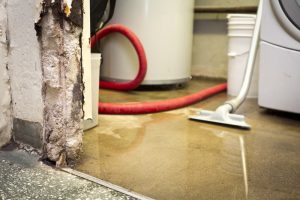
 With no shortage of DIY articles on the internet, many homeowners take it upon themselves to try and fix their own problems in the home—including their plumbing. And that includes tracking down and fixing plumbing leaks.
However, we really can’t condone this strategy. Not only can it cost you more money in the long run, but it can also cause more damage to your property—you’ll be wishing you found a plumber from the very start.
But even with all that being said, we don’t believe in holding any information back. Knowing the signs of a leak could be what helps you prevent a major plumbing disaster in the home.
 Your garbage disposal loves to do one thing, and it does it well: eat all your table scraps. It’s simple but effective. That is, until it starts having issues. Then you’ll need to call up a
 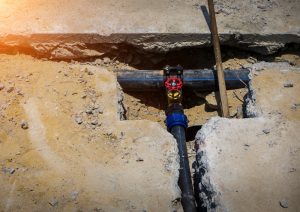 As a plumber, we’ve dealt with countless leaks and clogs. Often times, all it takes is a quick repiping or a simple hydro-jetting to fix those problems. But a simple leak in the wrong place can make all the difference.
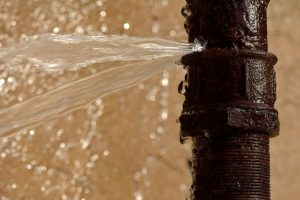 Plumbing leaks never seem to be that big a deal in the beginning. After all, it’s just a few drips here and a few drops there. Ignore this at your own peril, however, as even a slow or intermittent leak can quickly turn into costly damages and repairs. As soon as you have any of the indicators below of faucet, water heater, sewage line, or slab leaks, make the smart call: contact a professional plumbing contractor to immediately diagnose and fix the issue.
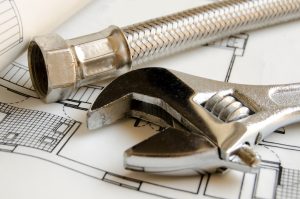 Plumbing problems can come in all shapes and sizes: anything from hard water deposits to a clog in the drain. You can solve a number of issues in your home’s plumbing system with a water filtration system. That can include anything from a reverse osmosis system to a water softener designed to remove mineral deposits in the water.
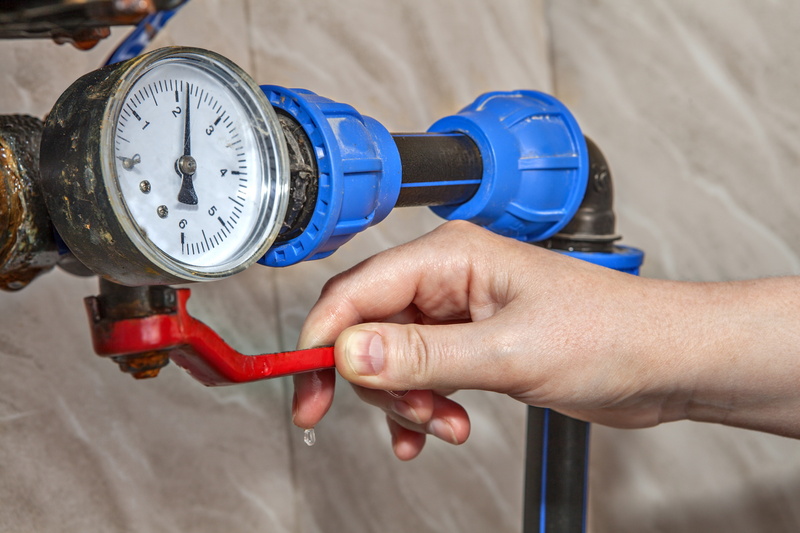
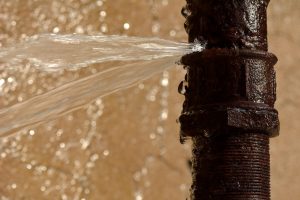
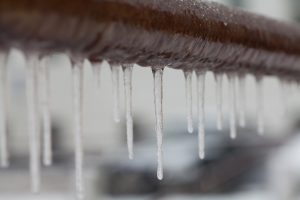 Leaky pipes are unfortunately quite common in the winter. The freezing and thawing of water in the pipes causes them to expand, which may force a pipe to burst open. Other factors can contribute to leaky pipes too, of course, such as corrosion or other means of excess pressure on the pipes.
 When you’re in the business of plumbing, you know that this is any homeowner’s biggest grievance. Sure, there are worse things that could happen in a home, but few of them happen again and again the way plumbing clogs often do. Some can be unclogged yourself while some will always require a plumber’s help, which is why it’s so important to focus on prevention.
 When is the last time you got a good long look at the foundation of your home? What about your home’s air ducts? Your septic tank? Chances are that these are things you don’t get a chance to inspect very often. Like your plumbing pipes, they are hidden from view, so for routine maintenance you’ll typically have to call in a specialist for an inspection.